
Hotel Room Furniture Guide: Selection & Standards | I-HOTEL
Hotel Room Furniture Guide: Elevating Guest Experience Through Design
Discover how thoughtfully curated hotel furniture shapes guest perception, balances aesthetics with commercial durability, and creates unforgettable stays.
The Importance of Furniture in Hotel Design
In the competitive landscape of the hospitality industry, the role of furniture in hotel design cannot be overstated. Furniture serves as a fundamental element that significantly influences guests’ perceptions and experiences. A well-curated selection of furniture pieces, including beds, sofas, desks, and lighting, goes beyond mere functionality; it embodies the luxury and comfort that today’s travelers seek. The aesthetic quality of furniture not only enhances the visual appeal of a space but also communicates the hotel’s identity, values, and overall ambiance.
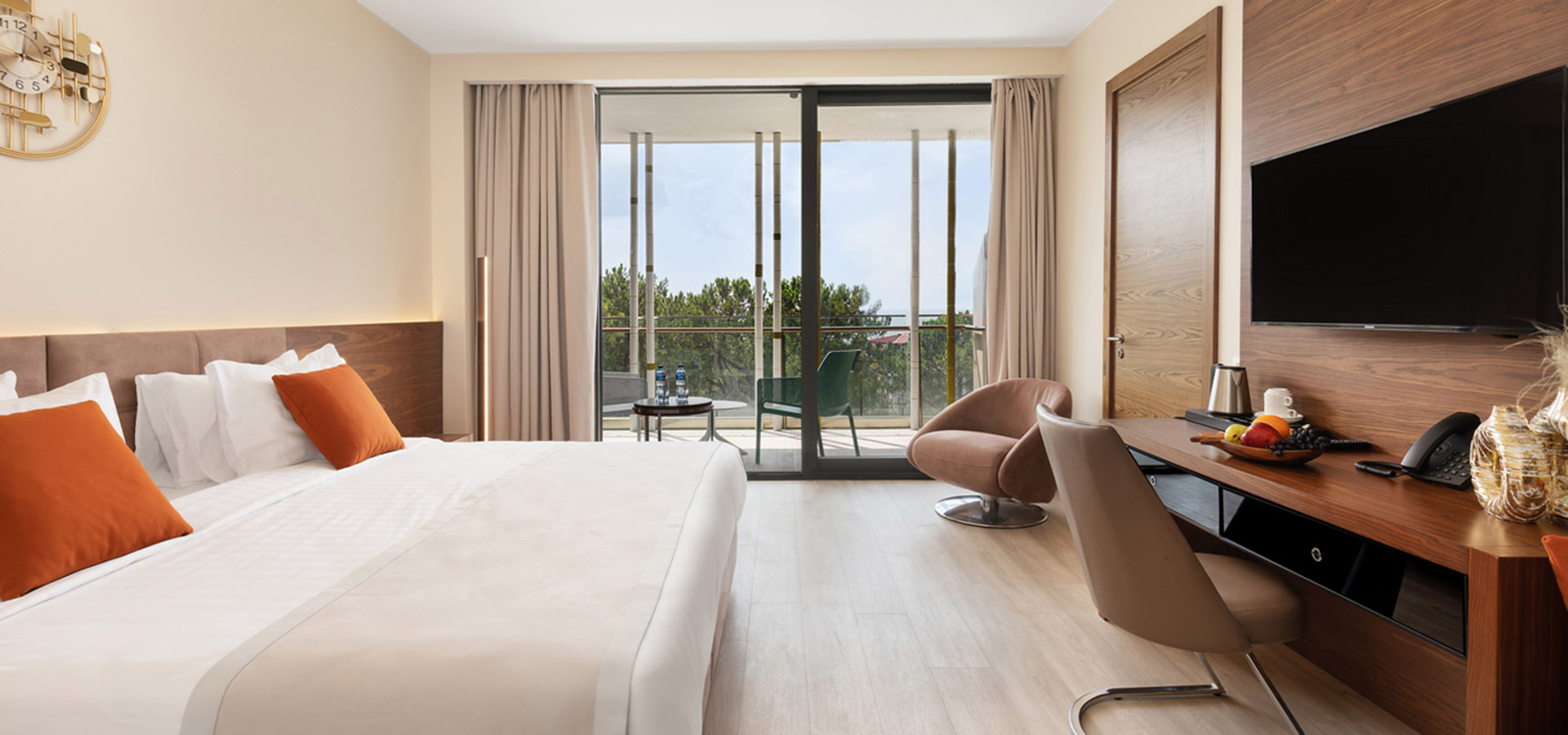
When designing a hotel room, careful consideration must be given to various factors, including the choice of materials, colors, styles, and layout. For instance, plush, inviting beds send a clear message of rest and relaxation, while ergonomic desks equipped with modern technology cater to the needs of business travelers. The lighting choices, whether they are soft and warm or sleek and modern, set the mood for the entire room, further enhancing the guest experience. Each piece of furniture reflects the hotel’s overarching design philosophy, creating a cohesive environment that resonates with guests.
Moreover, furniture design directly impacts the overall ambiance of a hotel. It creates a dialogue between space, style, and function that captures the essence of hospitality. Thoughtfully selected furniture can elicit an emotional response, making guests feel more at home and more likely to return. Therefore, hotel owners and designers must prioritize the curation of furniture that not only meets practical needs but elevates the aesthetic experience, reinforcing the establishment’s brand identity. In this regard, furniture becomes an integral part of a holistic design approach, ultimately shaping guest satisfaction and loyalty.
Comfort: The Cornerstone of Guest Satisfaction
Comfort undoubtedly plays a pivotal role in shaping the overall guest experience in hotel accommodations. The importance of carefully selected furniture cannot be overstated, as it directly influences how guests perceive their stay. Key elements contributing to comfort include plush mattresses, which provide essential support for restful sleep, and ergonomic seating that promotes proper posture and relaxation. The integration of these aspects into hotel room design significantly enhances guest satisfaction, creating a welcoming and enjoyable atmosphere.
Flexibility in furniture options is another critical aspect to consider. Guests come with varying preferences and needs; therefore, providing a range of choices, such as different types of pillows and adjustable furniture, can cater to diverse requirements. For instance, hotels can offer a selection of firm or soft pillows tailored to individual sleep preferences. Likewise, adjustable desks or seating arrangements ensure that guests can create an environment that best suits their activities, whether it is working, relaxing, or socializing. This personalization in comfort enhances the likelihood of a positive review and repeat visits.
The role of ergonomics in furniture selection is vital for ensuring the wellbeing of guests. Thoughtfully designed furniture that considers the natural movements of the human body can alleviate discomfort and prevent physical strain. For example, chairs that support the lumbar area or beds that conform to the body’s shape are crucial in promoting relaxation and reducing fatigue. By selecting pieces that prioritize ergonomic principles, hotels can create spaces that are not only stylish but also conducive to guest comfort, enriching their overall experience during their stay.
Style: Crafting an Inviting Atmosphere
The aesthetic appeal of hotel room furniture plays a pivotal role in fashioning a unique and memorable guest experience. Furniture choice—including materials, colors, and finishes—ultimately contributes to the broader atmosphere of a hotel. Stylish furniture not only enhances the overall appeal of a space but also reinforces the hotel’s identity, creating what is often referred to as ‘visual luxury.’ This concept refers to the way in which well-designed, attractive furnishings can establish a sense of sophistication and comfort that resonates with guests.
Materials such as wood, metal, glass, and textiles can evoke certain feelings and set the tone for the room’s ambiance. For instance, the use of warm wood finishes can create a cozy, welcoming environment, while sleek metal and glass may impart a modern, sleek vibe. Additionally, the color palette of furniture can significantly influence mood and perceived value; softer hues often impart a sense of tranquility, whereas bolder colors can inject energy and excitement into the space.
Furthermore, the interplay of different finishes and textures is crucial in establishing an inviting atmosphere. A carefully curated selection of furnishings can transform a mundane room into a visually stimulating environment that not only attracts guests but also encourages longer stays. The relationship between style and guest perception cannot be overstated; first impressions are often lasting, and an aesthetically pleasing room can enhance a guest’s feeling of comfort and exclusivity. This nuanced understanding of style in hotel room furniture ultimately distinguishes one hotel from another, providing a competitive edge in a saturated market.
Balancing Functionality and Aesthetics
In the realm of hotel design, striking a harmonious balance between functionality and aesthetics is pivotal for enhancing guest experiences. Hotel room furniture must serve a dual purpose: it should not only captivate guests with its visual appeal but also withstand the rigors of daily use. Achieving this equilibrium involves careful consideration of several factors, including craftsmanship, material quality, and overall design philosophy.
Durability is a key component in selecting hotel room furniture. Guests expect furnishings to remain intact throughout their stay and beyond. High-quality materials such as hardwoods, metals, and durable fabrics are essential in ensuring that furniture can endure frequent use without compromising its integrity. For example, a well-crafted wooden dresser not only provides ample storage but also adds a touch of elegance to the room’s decor. Moreover, investing in quality craftsmanship contributes significantly to the longevity of the furniture, reducing the need for frequent replacements and thereby enhancing operational efficiency.
When addressing the aesthetic aspect, creativity plays a significant role. Designers increasingly combine practicality with innovative designs that invite guests to engage with their surroundings. Multi-functional pieces, such as a sofa bed or an ottoman that doubles as storage, exemplify this trend. These solutions not only save space but also provide versatility, thereby promoting a more enjoyable guest experience.
Thoughtful furniture selection creates an inviting atmosphere that resonates with the overall theme of the hotel. Color palettes, textures, and shapes should align cohesively, fostering a sense of comfort and relaxation. Carefully curated furniture arrangements can encourage social interaction and promote a welcoming environment, enhancing the guests’ overall satisfaction.
In summary, balancing the dual roles of functionality and aesthetics in hotel room furniture design is essential. By prioritizing durability and quality craftsmanship alongside creative, inviting designs, hotel operators can significantly elevate the guest experience. The successful integration of these principles not only contributes to a visually appealing environment but also ensures lasting functionality.


