








Turkey Hotel Furniture Manufacturer & Supplier | I-HOTEL
GLOBAL REFERENCES
Developing a boutique hotel is about creating a memorable guest experience rather than simply providing accommodation. Unlike large hotel chains that often follow standardized room concepts, boutique hotels focus on individuality, distinctive interiors, premium materials, and carefully selected furnishings that reflect the property’s unique identity.
Introduction to Custom Hospitality Manufacturing
Choosing the right custom boutique hotel furniture manufacturer is one of the most important decisions during a hotel development project. Furniture influences not only the visual appeal of the property but also guest comfort, operational efficiency, durability, and long-term maintenance costs.
Whether you are opening a luxury boutique hotel, renovating an existing property, or developing a hospitality project from the ground up, selecting a reliable manufacturing partner can significantly improve project quality while simplifying procurement and logistics.
This guide explains everything hotel owners, architects, interior designers, and contractors should know before choosing a custom boutique hotel furniture manufacturer.
What Is Boutique Hotel Furniture?
Boutique hotel furniture refers to custom-designed furniture manufactured specifically for smaller luxury hotels, lifestyle hotels, heritage properties, design hotels, and independent hospitality projects.
Unlike mass-produced commercial furniture, boutique hotel furniture is designed around the hotel’s architectural style, branding, guest profile, and operational requirements.
Every furniture piece is manufactured according to approved drawings, selected materials, and interior design specifications, ensuring a consistent visual identity throughout the property.
Typical Furnishings Included
Typical boutique hotel furniture includes:
Each item is manufactured to fit the available space while complementing the overall interior design concept.
Why Custom Furniture Is Essential for Boutique Hotels
Boutique hotels compete through design rather than size.
Guests expect interiors that feel unique, welcoming, and carefully curated. Standard furniture often limits creativity and rarely fits unusual room layouts or architectural details found in boutique hotels.
Custom manufacturing allows every room to become part of the hotel’s story.
Instead of adapting the building to ready-made furniture, furniture is designed specifically for each room.
This approach provides several important advantages.
Advantages of Custom Solutions
Unique Brand Identity
Design Impact & Memorability
Boutique hotels are recognized by their distinctive interiors.
Core Principle:
Custom furniture enables owners and designers to create spaces that guests remember long after their stay. Furniture becomes part of the hotel’s identity rather than simply filling empty rooms.
Maximum Space Efficiency
Architectural Adaptation
Optimization:
Many boutique hotels occupy historic buildings or properties with irregular room layouts. Custom furniture maximizes every square meter by fitting perfectly into available spaces. Wardrobes, desks, headboards, and storage solutions can all be manufactured according to exact room dimensions.
Higher Guest Satisfaction
Comfort & Reviews
Outcome:
Comfort directly influences guest reviews. Ergonomic seating, premium mattresses, practical storage, quality finishes, and thoughtful furniture layouts improve the overall guest experience while encouraging repeat bookings.
Long-Term Durability
Commercial Standards
Value:
Hotel furniture experiences significantly heavier use than residential furniture. Professional hospitality manufacturers use commercial-grade materials, durable hardware, reinforced construction techniques, and protective finishes designed for daily operation. Higher-quality furniture reduces maintenance costs while extending product lifespan.
Choosing the Right Boutique Hotel Furniture Manufacturer
Selecting a manufacturing partner should involve more than comparing prices.
Hotel developers should evaluate experience, production capacity, export capabilities, quality control, and project management expertise.
Core Manufacturer Offerings
A reliable manufacturer should offer:
Working with an experienced manufacturer minimizes project risks while improving communication throughout production.
Materials Commonly Used in Boutique Hotel Furniture
Material selection determines both visual quality and long-term durability.
The most common hospitality furniture materials include:
Natural Wood Veneer
Natural veneer provides warmth, elegance, and timeless character.
Oak, walnut, ash, eucalyptus, and other premium veneers remain popular choices for luxury boutique hotels.
Lacquer-Painted MDF
High-quality lacquer finishes create smooth contemporary surfaces available in virtually unlimited colors.
Lacquer-painted furniture is widely used for modern boutique hotel interiors because of its refined appearance and flexibility.
Melamine Panels
Commercial melamine provides excellent scratch resistance while offering cost-effective solutions for selected hospitality applications.
Solid Wood Components
Solid wood is often used for decorative details, table frames, chair structures, and visible design elements requiring additional strength.
Premium Upholstery
Hospitality-grade fabrics and leathers are selected according to durability, stain resistance, fire regulations, and maintenance requirements.
Every material should balance aesthetics with long-term operational performance.
Furniture Required for a Complete Boutique Hotel
A boutique hotel project normally includes much more than guest room furniture.
Complete hospitality packages often include:
Guest Room Furniture
Reception & Lobby
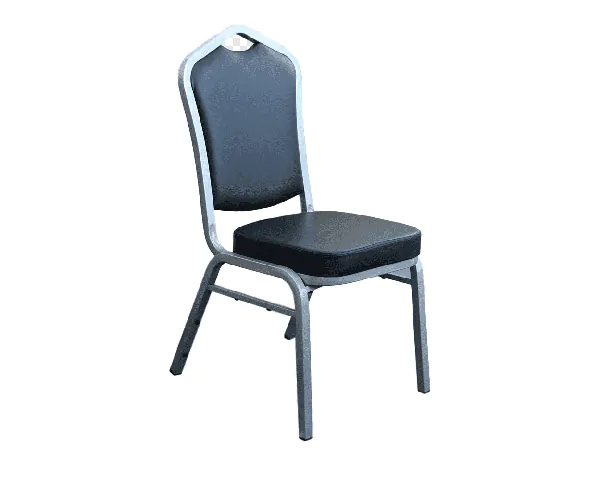
Restaurant & Café
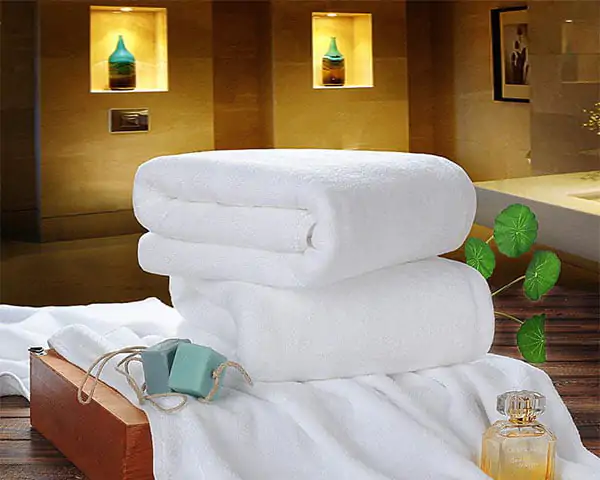
Hospitality Products
Many hotel developers now prefer sourcing these products from a single manufacturer to simplify procurement and ensure consistent quality throughout the project.

