Hotel Furniture Materials Guide: Wood, Fabric & More | I-HOTEL
Exploring Material Options for Hotel Furniture Production
Discover the essential materials used in crafting durable, functional, and aesthetically striking hotel furniture, from laminated boards to sustainable wood veneers.
Introduction to Hotel Furniture Production Materials
In the hotel furniture industry, the choice of furniture materials is crucial for creating an inviting atmosphere that meets both aesthetic and functional requirements. Hotel furniture serves various purposes, from enhancing guest comfort to reflecting the brand’s identity, making it essential to select materials that not only align with design goals but also ensure durability and ease of maintenance. Laminated chipboard, laminated MDF, lacquer paint, and real or Alpi wood veneer are among the primary materials utilized in the production of hotel furniture, each offering unique advantages.
Laminated chipboard is favored for its affordability and versatility. This material is often used in furnishings where cost-effectiveness is a priority without sacrificing too much on aesthetic appeal. The lamination process provides a protective layer that enhances durability, making laminated chipboard suitable for high-traffic areas. Similarly, laminated MDF offers a smooth surface that accommodates various finishes and can be easily shaped, which allows for creative design possibilities in hotels.
Lacquer paint is another significant component in the realm of hotel furniture materials. It not only adds a sleek finish but also serves as a protective coat, improving the longevity of the furniture. The reflective quality of lacquer paint can also enhance the visual appeal of furniture pieces, making them a focal point in a hotel room.
Lastly, real wood and Alpi wood veneer are sought after for their authenticity and luxurious appearance. Natural wood brings warmth and elegance to any setting, while Alpi wood veneer offers a more sustainable option that mimics the appearance of solid wood without the associated costs. Understanding the properties of these materials allows hotel operators to make informed decisions that impact the overall guest experience, leading to optimal satisfaction and loyalty.
Material Selection Guide
Durability & Aesthetics Balance
Laminated Chipboard and Laminated MDF: Affordable and Versatile Choices
Laminated chipboard and laminated MDF (Medium-Density Fiberboard) have emerged as popular material options in the production of hotel furniture due to their affordability, versatility, and aesthetic appeal. These engineered wood products offer a cost-effective solution for hoteliers seeking quality furnishings without compromising on style or functionality.
One of the primary advantages of laminated chipboard and MDF is their affordable price point. This makes them particularly suitable for budget-conscious hotel operators who need to furnish multiple spaces without incurring excessive expenses. Both materials can be manufactured in large quantities with consistent quality, ensuring that hotels can maintain a cohesive design across various rooms and communal areas. Furthermore, the ability to apply decorative laminates allows these materials to mimic the appearance of solid wood or other high-end finishes, enhancing their visual appeal.
Maintenance is another significant benefit of laminated chipboard and MDF. These materials are easy to clean and resistant to stains, making them ideal for high-traffic hotel environments. The laminate layer protects against moisture and wear, which is crucial for furniture subjected to constant use by guests. As a result, both types of laminated surfaces can maintain their appearance over time with minimal upkeep.
The versatility of laminated chipboard and MDF expands their applicability in diverse hotel settings. From guest room furniture, including beds and nightstands, to lobby reception desks and dining furniture, these materials can be tailored to fit various design aesthetics. Their adaptability allows designers to create stylish and functional pieces that cater to the specific needs of each hotel while adhering to budget constraints. Thus, laminated chipboard and MDF stand out as excellent choices for hoteliers aiming to enhance their premises economically and attractively.
The Elegance of Lacquer Paint Finishes
Lacquer paint finishes are increasingly becoming a popular choice in the production of hotel furniture due to their distinctive aesthetic appeal and practical advantages. One of the primary benefits of lacquer is its ability to create a high-gloss finish that imbues furniture with a sleek and elegant appearance. This reflective quality not only enhances the visual impact of each piece but also elevates the overall ambiance of hotel environments, aligning with the sophisticated tastes of today’s travelers.
In addition to its aesthetic properties, lacquer is known for its durability. When properly applied, lacquer finishes can withstand the rigors of daily use in hospitality settings. The finish offers excellent resistance to scratches, moisture, and fading, ensuring that hotel furniture retains its pristine look over time. This durability makes lacquer an ideal choice for high-traffic areas within hotels, where furniture undergoes considerable wear and tear.
Maintaining lacquer finishes is also uncomplicated, which is particularly beneficial for hotel staff tasked with preserving the appearance of furniture. A simple wipe-down with a mild cleaner is often enough to keep surfaces looking shiny and new. This ease of cleaning is crucial in maintaining a welcoming environment for guests, who expect a high level of cleanliness in upscale hotels.
Moreover, the versatility of lacquer finishes cannot be overlooked. They are available in a vast array of colors and shades, allowing hotel designers to match or contrast with overall decor themes effectively. From vibrant hues that make bold statements to soft pastels that promote a calming atmosphere, the color options enhance the creativity of hotel furniture design. Consequently, lacquer finishes are not only practical and durable but also an opportunity for aesthetic transformation that enhances the charm of any hotel space.
Real vs. Alpi Wood Veneer: Aesthetic Choices for Distinctive Hotel Furniture
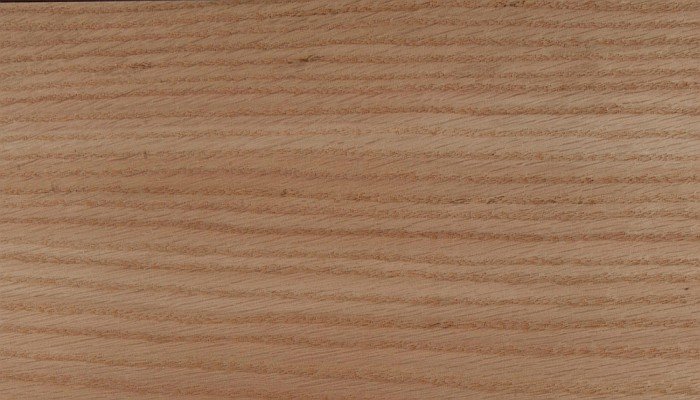
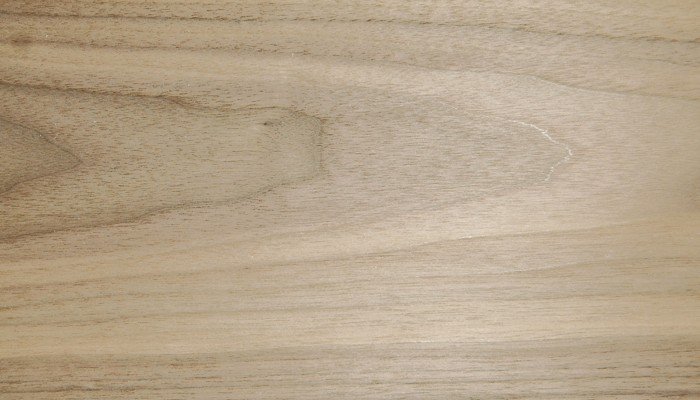
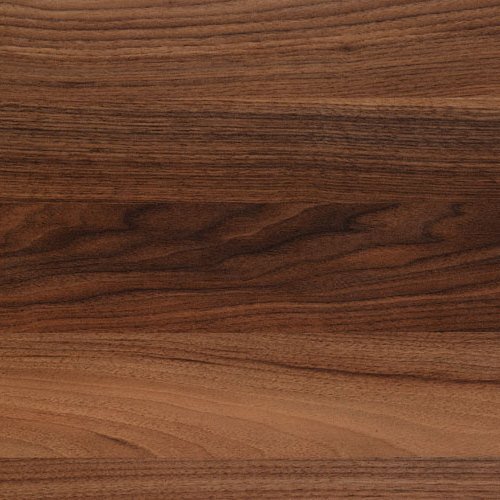
The choice between real wood veneer and Alpi wood veneer is a significant decision for hotel furniture production, particularly in the context of luxury environments. Real wood veneer is renowned for its natural beauty and unique grain patterns, conveying an earthy, organic aesthetic that appeals to those seeking authenticity in their interiors. Each slice of real wood possesses distinctive characteristics, ensuring that no two pieces are alike. This uniqueness can enhance the overall ambiance of a luxury hotel, providing guests with a memorable experience that reflects nature’s artistry.
Moreover, real wood veneer tends to age gracefully, developing a rich patina over time that adds to its charm and character. However, its sourcing may raise concerns regarding environmental sustainability, as some wood varieties contribute to deforestation and habitat loss. Thus, while real wood veneer offers unparalleled beauty, it prompts a necessary consideration of eco-friendliness.
In contrast, Alpi wood veneer presents itself as a modern and sustainable alternative. Engineered from wood fibers, Alpi veneers can replicate the appearance of various wood species while ensuring consistent quality and finish. This method not only reduces reliance on endangered wood resources but also provides vast design possibilities—from a variety of colors to textures mimicking highly sought-after wood grains. The versatility of Alpi wood can be particularly beneficial for hotel designers looking to achieve specific aesthetics without compromising sustainability.
When deciding between real and Alpi wood veneer, the choice should align with the overall design vision, guest experience, and environmental commitments of the hotel. For those seeking authenticity and individuality, real wood veneer is an excellent choice. Conversely, for a more sustainable approach that does not sacrifice design quality, Alpi wood veneer emerges as an appealing option. Ultimately, this decision shapes the distinctive character of hotel interiors, influencing the hospitality experience offered to guests.