Natural and engineered wood veneers are the cornerstone of luxury hospitality casegoods, providing the authentic warmth of solid timber with superior dimensional stability.
At I-HOTEL Furniture, we engineer bespoke hotel headboards, wardrobes, TV media credenzas, vanity desks, and reception millwork by pressing precision-sliced veneers (0.6mm–1.2mm) onto high-density moisture-resistant (MR) E1-grade MDF and plywood cores.
💡 Key Engineering Takeaway: Selecting the correct veneer specification ensures flawless grain consistency across 100+ guest rooms, eliminates warping, and secures long-term resistance against hotel wear.
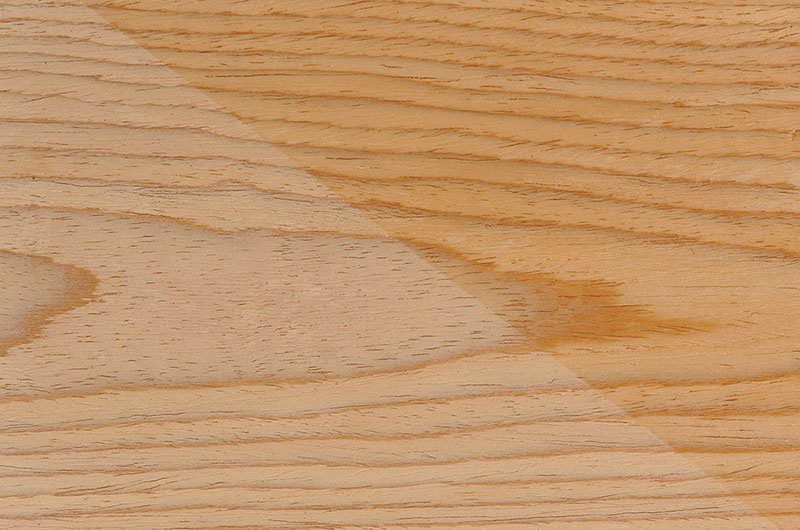
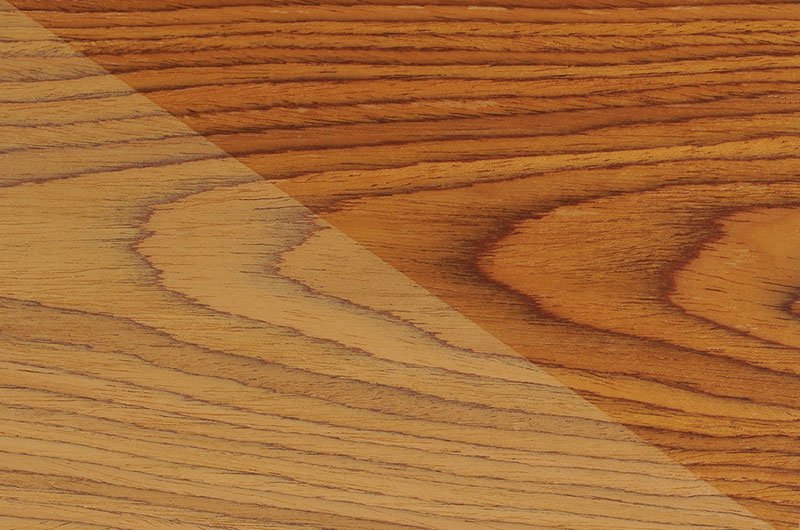
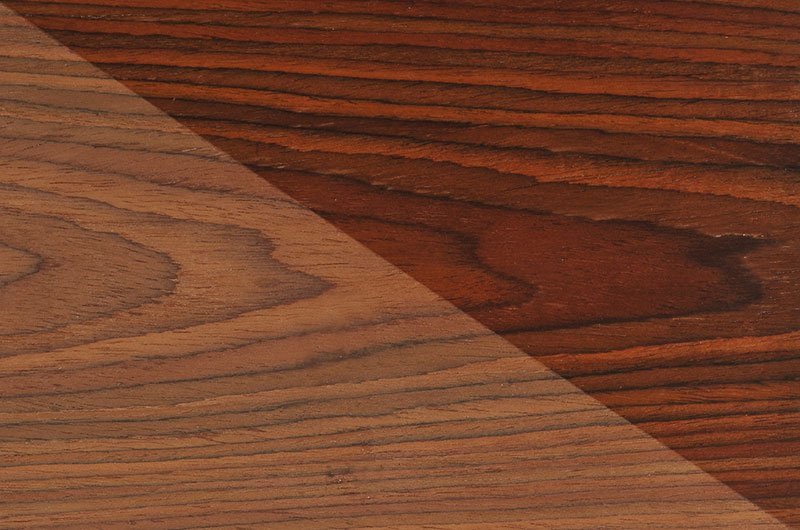
Crown Slicing: Slicing tangential to growth rings produces an authentic cathedral grain pattern ideal for prominent wardrobe doors and headboard backdrops.
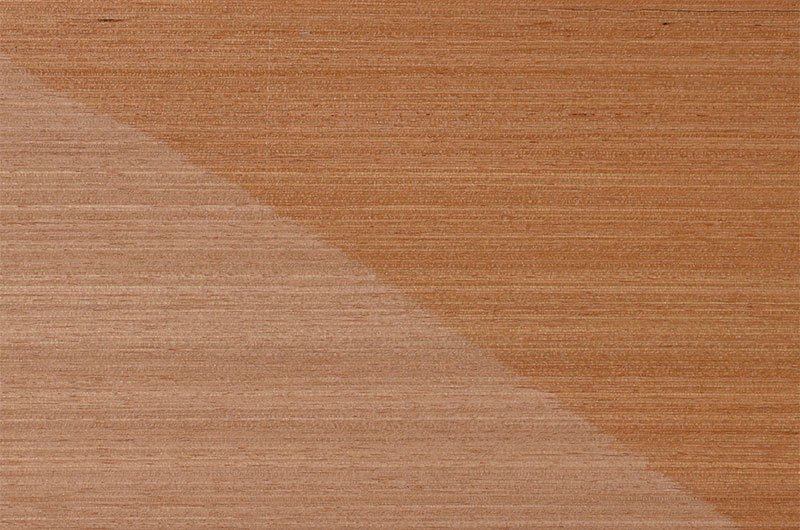
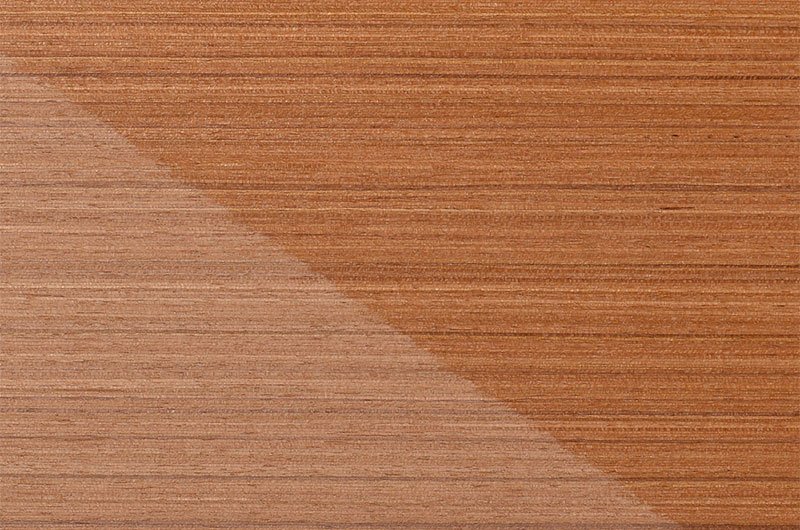
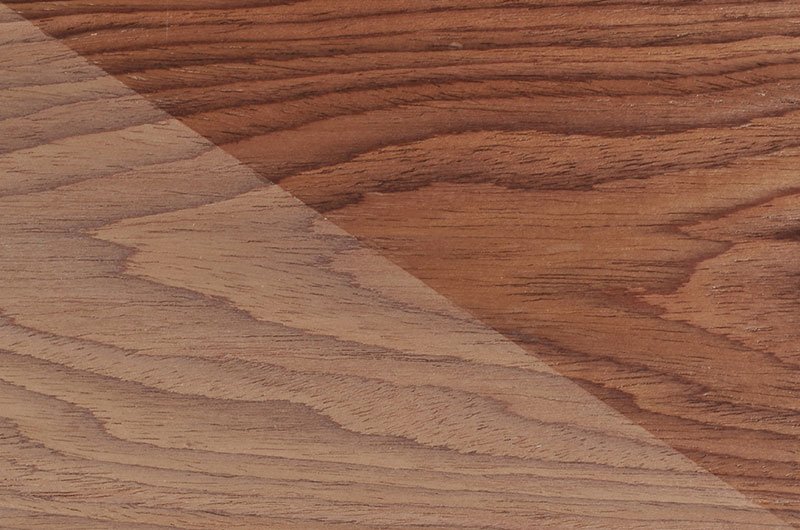
Quarter Slicing: Slicing perpendicular to growth rings creates a clean, linear, straight-grain appearance favored in modern minimalist hotel designs.
Book Matching & Layup Standards
Book-Matched: Consecutive veneer leaves are flipped like book pages to create balanced, symmetrical grain reflections across continuous joinery panels.
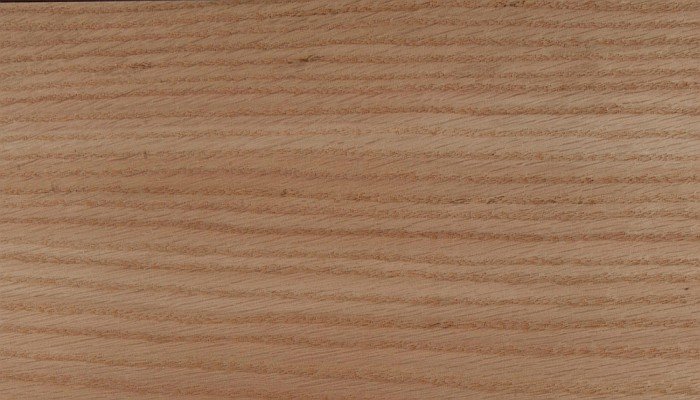
Slip-Matched: Leaves are laid side-by-side without flipping for a repeating grain sequence, popular with quarter-cut oak and ash species.
Popular Natural Species for Casegoods
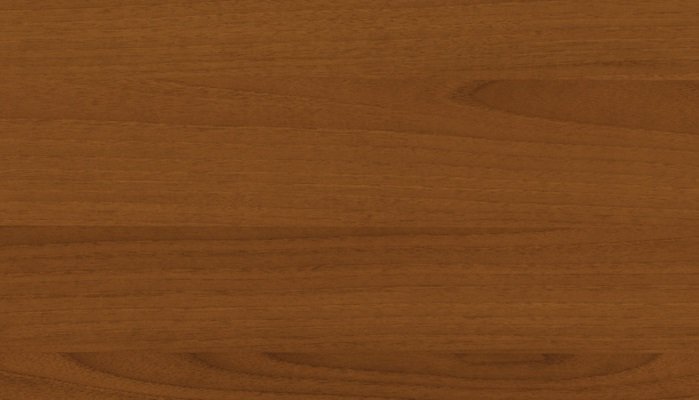
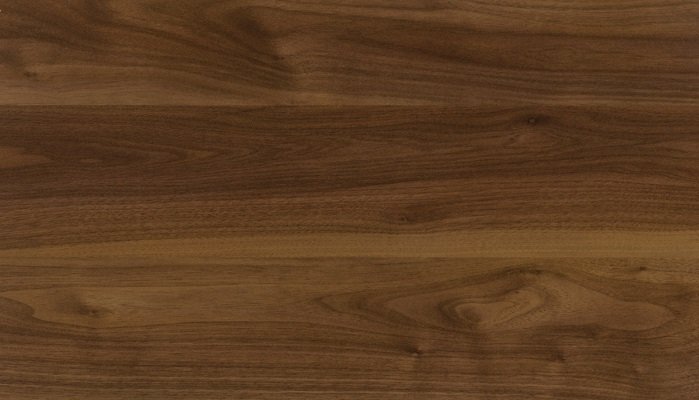
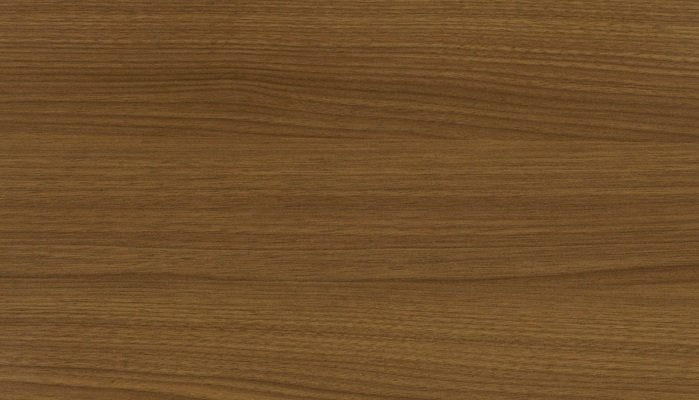
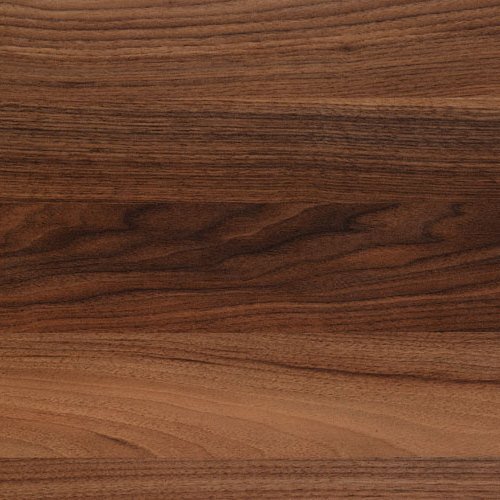
Turkish & American Walnut: Rich brown tones, deep warmth, and prominent cathedral graining.
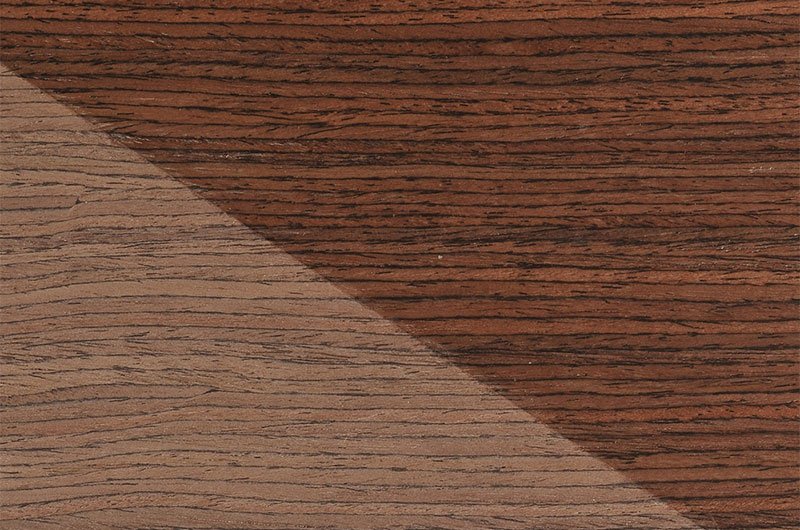
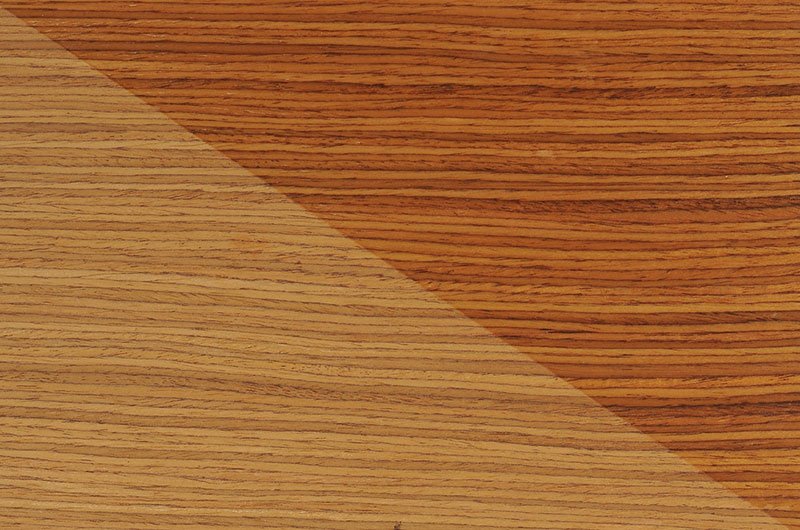
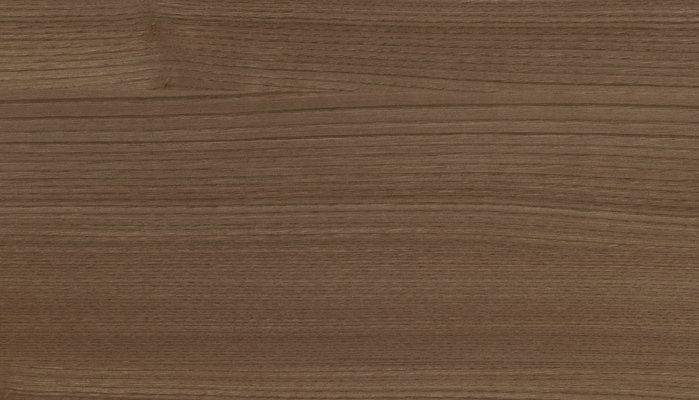
European White Oak: High tannin strength, open-grain texture, ideal for bleached or wire-brushed finishes.
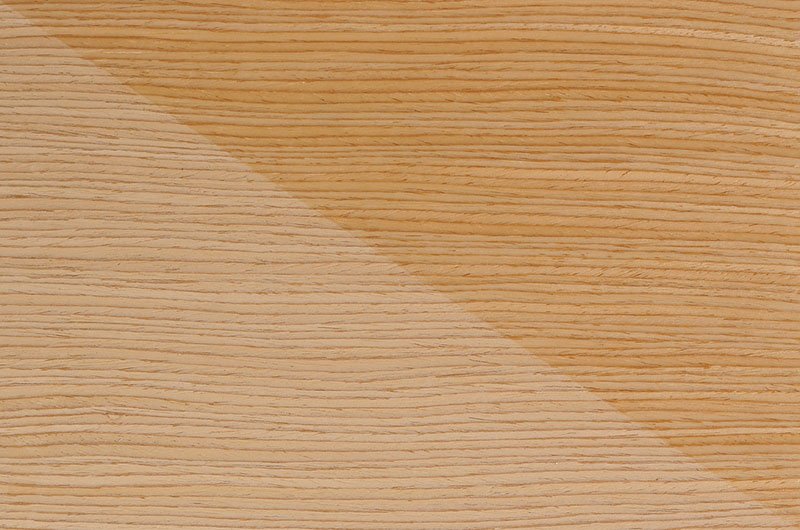
American Ash: Dynamic grain contrast and excellent elasticity for curved hospitality millwork.
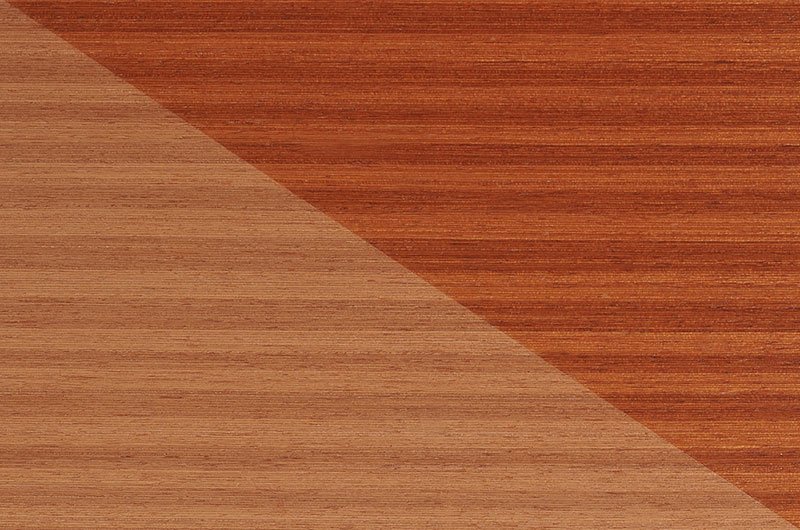
Sapelli & Mahogany: Interlocking ribbon grain with warm reddish-brown undertones.
RECONSTITUTED TIMBER TECHNOLOGY
Engineered Alpi Veneers for Volume Projects
Batch-to-Batch Consistency
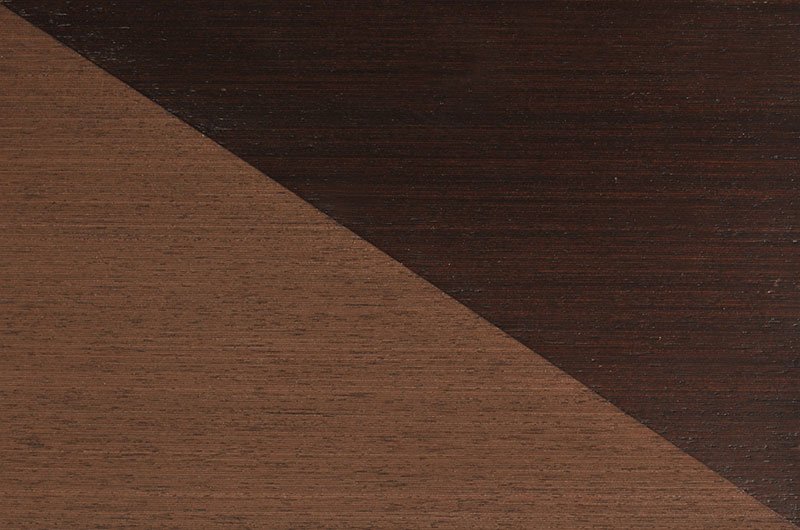
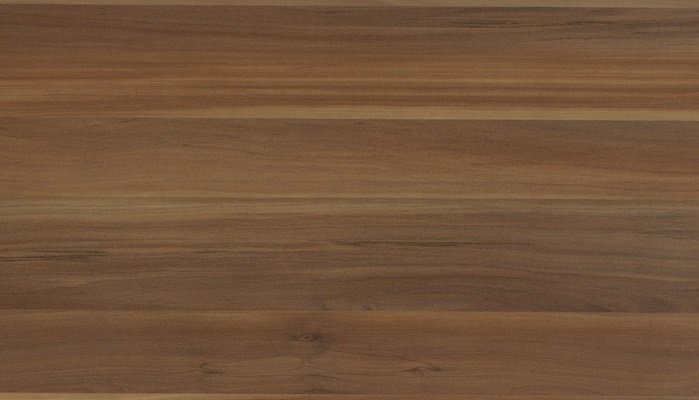
Alpi engineered veneers are manufactured by peeling FSC-certified poplar, dyeing the individual sheets through the full thickness, and pressing them into solid composite logs before re-slicing. This guarantees 100% color and grain uniformity across hundreds of guestrooms.
Exotic Aesthetics Without Risk
Reconstituted timber allows hotel developers to achieve the luxurious aesthetics of rare woods—such as Makassar Ebony, Rosewood, and Burl Walnuts—while maintaining sustainable forestry certifications and commercial price stability.
Prefinished Surface Reliability
Alpi surfaces accept multi-layer polyurethane lacquers uniformly without the unpredictable blotching or color variation sometimes encountered with raw wild timbers, streamlining high-volume factory production schedules.
HIGH-TRAFFIC COMMERCIAL SURFACES
Melamine Faced Chipboard & MDF Panels (MFC)
Core Panel Substrates
MFC (Melamine Faced Chipboard) and MFM (Melamine Faced MDF) utilize high-density particleboard or E1/CARB P2 MDF cores bonded under heat and pressure with thermosetting melamine resin-impregnated decorative paper.
Commercial Wear Resistance
Melamine surfaces provide exceptional scratch, stain, and heat resistance. We apply 1mm–2mm impact-resistant ABS edge-banding with PUR waterproof hot-melt adhesives to seal all exposed edges against moisture penetration.
Cost-Optimized Applications
Ideal for internal wardrobe shelving, luggage rack carcasses, nightstand interior drawers, serviced apartments, and student housing projects where budget optimization meets high-traffic durability.
SURFACE FINISHING & SAFETY
Lacquers, Gloss Levels & Fire Standards
Polyurethane Lacquers & UV Sealing
All natural and Alpi veneers are finished with non-yellowing, acrylic-polyurethane multi-coat lacquers with UV blockers to prevent sun fading in hotel rooms with large floor-to-ceiling windows.
Calibrated Gloss Ratings
Dead Matt (5–10% Gloss): Modern organic timber touch. Satin Matt (20–30% Gloss): Standard commercial hospitality finish. High Gloss (80–100% Gloss): Multi-layer polished piano lacquer.
Fire-Performance Substrates
When project fire codes mandate compliance, veneers are pressed onto fire-rated (FR) MDF panels complying with BS 476 Class 1 / Class 0 and European EN 13501-1 Class B-s1,d0 standards.
SPECIFICATION FAQ
Frequently Asked Questions About Wood Veneers
What is the standard thickness of wood veneer used for hotel furniture?
We typically engineer casegoods with 0.6mm to 1.2mm sliced natural veneers. This provides ample thickness for precision calibration, sanding, stain absorption, and multi-coat lacquer finishing without sand-through risks.
When should a hotel project specify Alpi engineered veneer over natural veneer?
Alpi veneer is ideal for medium-to-large hotel developments (50–500+ keys) requiring 100% color consistency and identical grain patterns across all guestrooms, eliminating the natural chromatic variations of raw timber.
Can wood veneered furniture achieve fire-retardant certification?
Yes. By pressing natural or Alpi veneers onto certified Class B-s1,d0 (EN 13501-1) fire-rated MDF substrates and applying intumescent or FR topcoats, we meet strict hospitality life-safety standards.
What is the difference between open-pore and closed-pore lacquer finishes?
Open-pore finishing retains the natural wood texture and grain grooves for an authentic tactile feel. Closed-pore finishing fills all wood pores with high-solid sealers, creating a mirror-smooth commercial surface that is extremely easy to sanitize.
Do you provide physical wood veneer control samples for architectural approval?
Yes. Once your project BOQ or CAD specifications are submitted, we prepare physical finish control sample boxes (natural veneers, Alpi chips, lacquer gloss levels) and courier them directly to your design studio for approval.
Request Wood Veneer & Finish Samples
Share your architectural finish schedules or joinery BOQs. Our materials engineering team will courier certified veneer samples and provide a comprehensive manufacturing estimate within 24 hours.
Once you select your design finishes, we initiate a thorough technical specification review to secure your margins — ensuring every detail aligns seamlessly with your project requirements.