Drawings, BOQ & Scope Review
Architectural drawings, furniture details, BOQs, quantities, room types and specifications are reviewed to define what will be produced and what still needs clarification.

See how a custom hotel furniture project moves from drawings and BOQ review to technical approval, mock-up, manufacturing, quality control and export packing. Each stage follows the approved project information rather than a fixed retail catalogue.
To see where this process runs, read about our hotel furniture factory in İnegöl.
A hotel furniture project normally starts with the information already available: drawings, BOQ, furniture schedules, room types, quantities, specifications and finish references. The scope is reviewed first so the commercial and technical work can start from the same project information.
Drawings, BOQ, quantities, room types, furniture schedules, specifications and available reference files are checked to understand the scope.
The first costing can be prepared around a representative room, agreed furniture package or another clear project scope after the documents are reviewed.
When the costing level is accepted, shop drawings, materials, finishes, hardware, samples and approval requirements can be developed in more detail.
The exact sequence can change with the project, but the control points stay similar: confirm the information, approve the technical details, validate samples where required, manufacture to the approved references, inspect the furniture and prepare it for shipment.
Architectural drawings, furniture details, BOQs, quantities, room types and specifications are reviewed to define what will be produced and what still needs clarification.
Production details are developed around approved dimensions, construction, veneers, laminates, lacquer colours, upholstery, hardware and other project requirements.
Where required, samples, individual prototypes or a full-scale room mock-up are used to check dimensions, finishes, hardware and function before volume production. See the mock-up room process.
Approved furniture moves into production using the agreed drawings, dimensions, materials, finishes and hardware. The production method depends on the furniture type and specification.
Furniture is checked against the approved project references. Typical checks include dimensions, visible finish, hardware operation, alignment, upholstery details and general workmanship.
Finished items are protected for transport, labelled where required and prepared for the agreed road or sea shipment plan. Packing and loading details are coordinated with the project scope and destination.
Quality control is more useful when the project has clear approved references. The aim is not to rely on vague descriptions such as “premium quality”, but to compare the finished furniture with the information that was approved for the project.
Controlled drawings, material and finish samples, hardware selections and mock-up decisions should be updated when changes are approved. This helps production and inspection work from the same information.
The certificates below support the company management framework. Product-specific performance, fire, material or testing requirements are still reviewed according to the selected item, approved specification and project documentation.




Management-system certification does not automatically mean that every furniture item carries the same product-level certification. Project-specific requirements should be confirmed during technical review.
A physical sample or mock-up can help the project team check appearance, fit and function before the same furniture is repeated across many rooms. The exact mock-up scope depends on the project and approval plan.
These references show the type of hospitality work that moves through drawings, approvals, production and project supply. Detailed project scope belongs on the individual case-study pages and the main project hub.
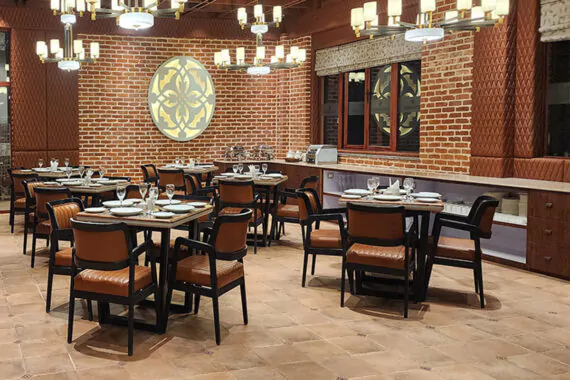
Room, restaurant, lobby and reception furniture project.
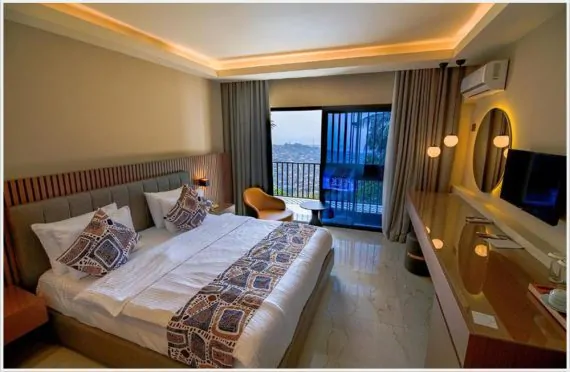
Guestroom furniture, seating and restaurant furniture supply.
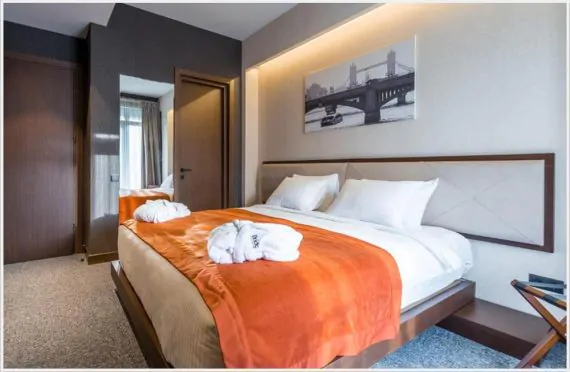
Room and restaurant furniture with lobby seating and tables.
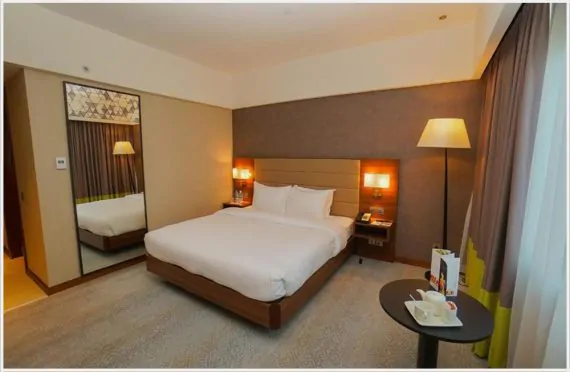
Guestroom furniture, seating and coffee table supply.
Short answers for project teams preparing drawings, BOQs, approvals and production information.
Send the project information you currently have. Drawings, BOQs, furniture schedules, room types, quantities, specifications, dimensions and finish references help define the scope before costing and detailed technical development.
Yes. Detailed production information should be approved before manufacturing. The exact drawing package depends on the furniture scope, but dimensions, construction, materials, finishes, hardware and interfaces should be clear before release to production.
Yes. Where required, samples, individual prototypes or a full-scale mock-up room can be used to review dimensions, finishes, hardware, upholstery and function before repeat production. See the Hotel Furniture Mock-Up Room page for more detail.
Checks depend on the item and approved specification. Typical points include dimensions, visible finish, colour consistency, hardware operation, door and drawer alignment, upholstery details, integrated components and general workmanship before packing.
The schedule depends on project quantity, furniture complexity, material availability, technical approvals, sample or mock-up requirements and the agreed delivery programme. A project-specific programme should be confirmed after the scope is reviewed.
Yes. Required fire-performance, material, durability or certification criteria can be reviewed against the project specification and selected materials or components. Applicable documentation should be confirmed for the approved project scope rather than assumed for every furniture item.
Finished items are protected with project-appropriate export packing, labelled where required and prepared for the agreed shipment method. Loading, documentation and delivery responsibilities are confirmed according to the destination and commercial scope.
Send the project information you currently have. Drawings, quantities, room types, specifications and finish references help us review the furniture scope before an initial costing is prepared.